

Gốm Tiều
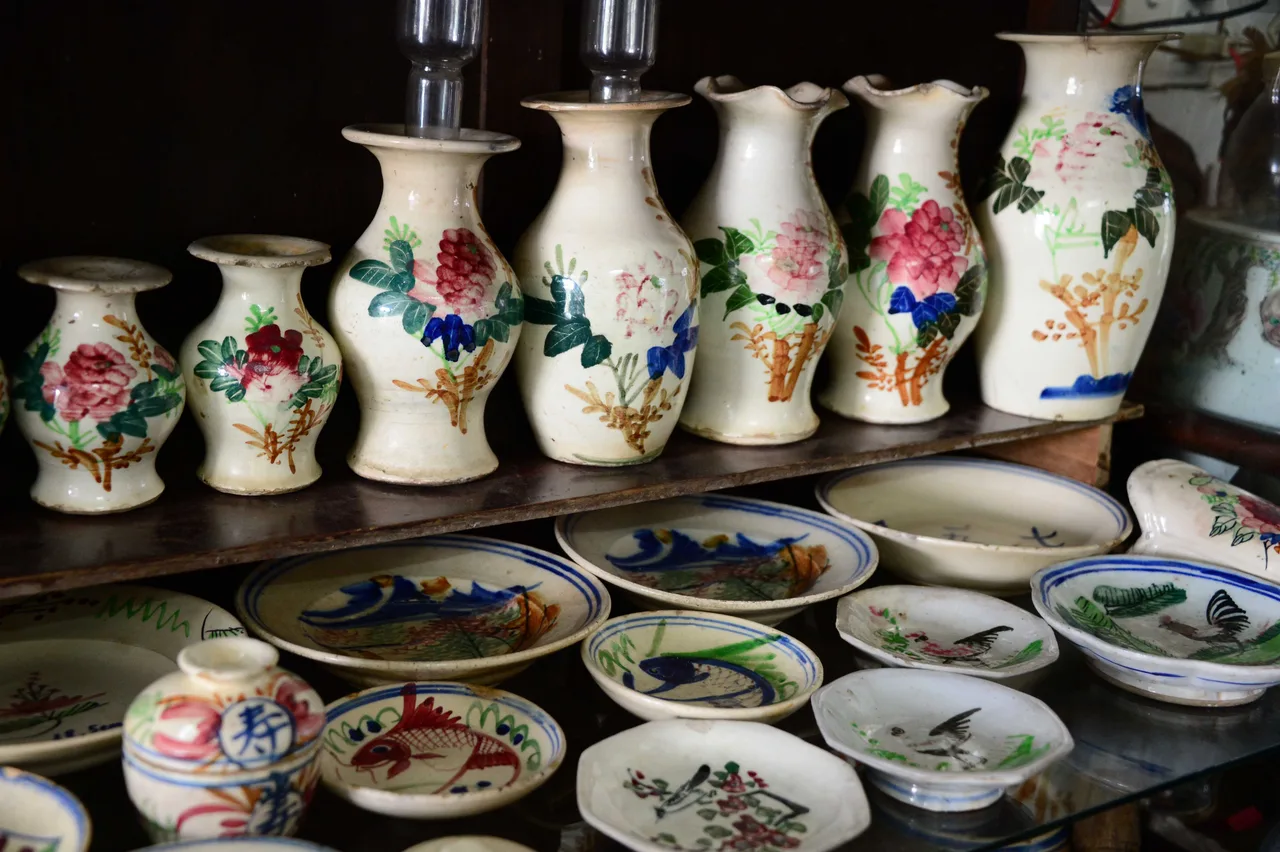
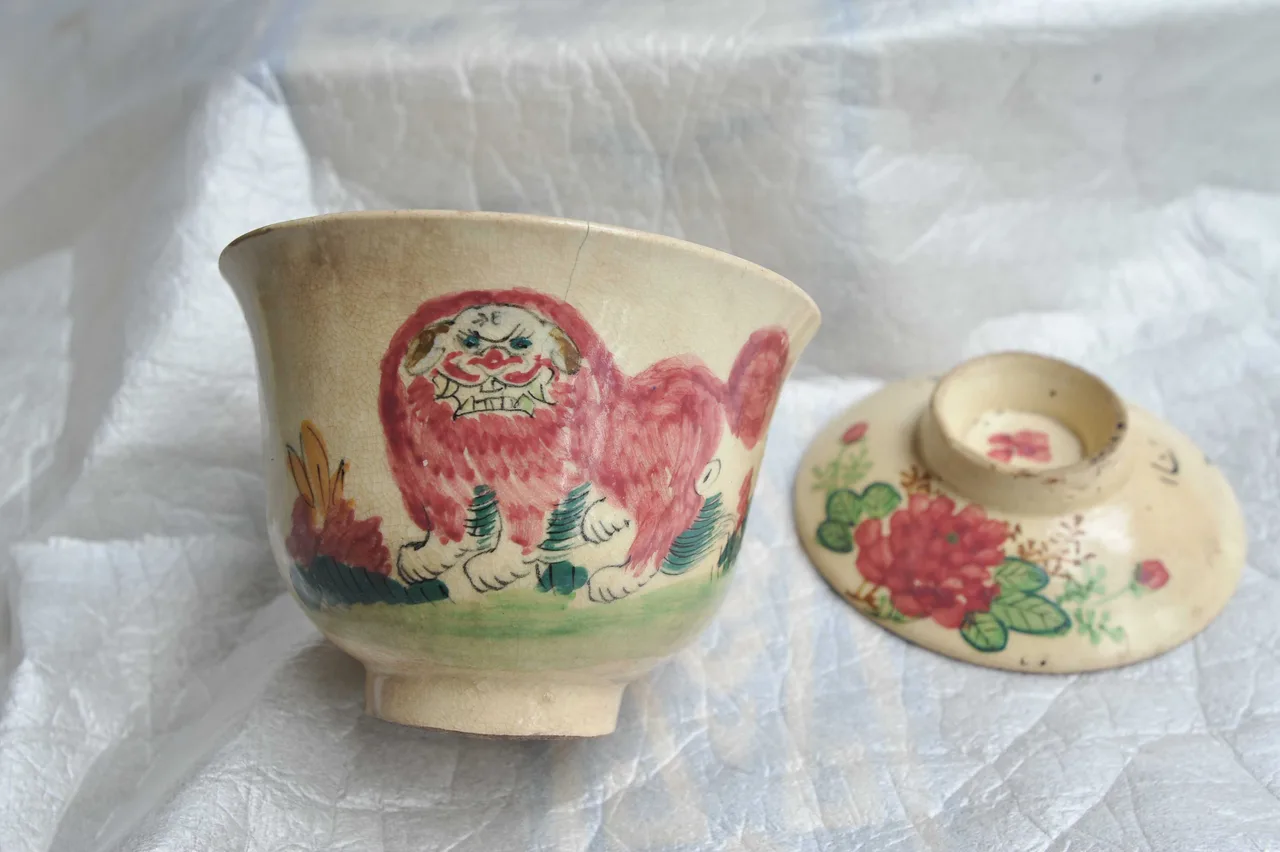
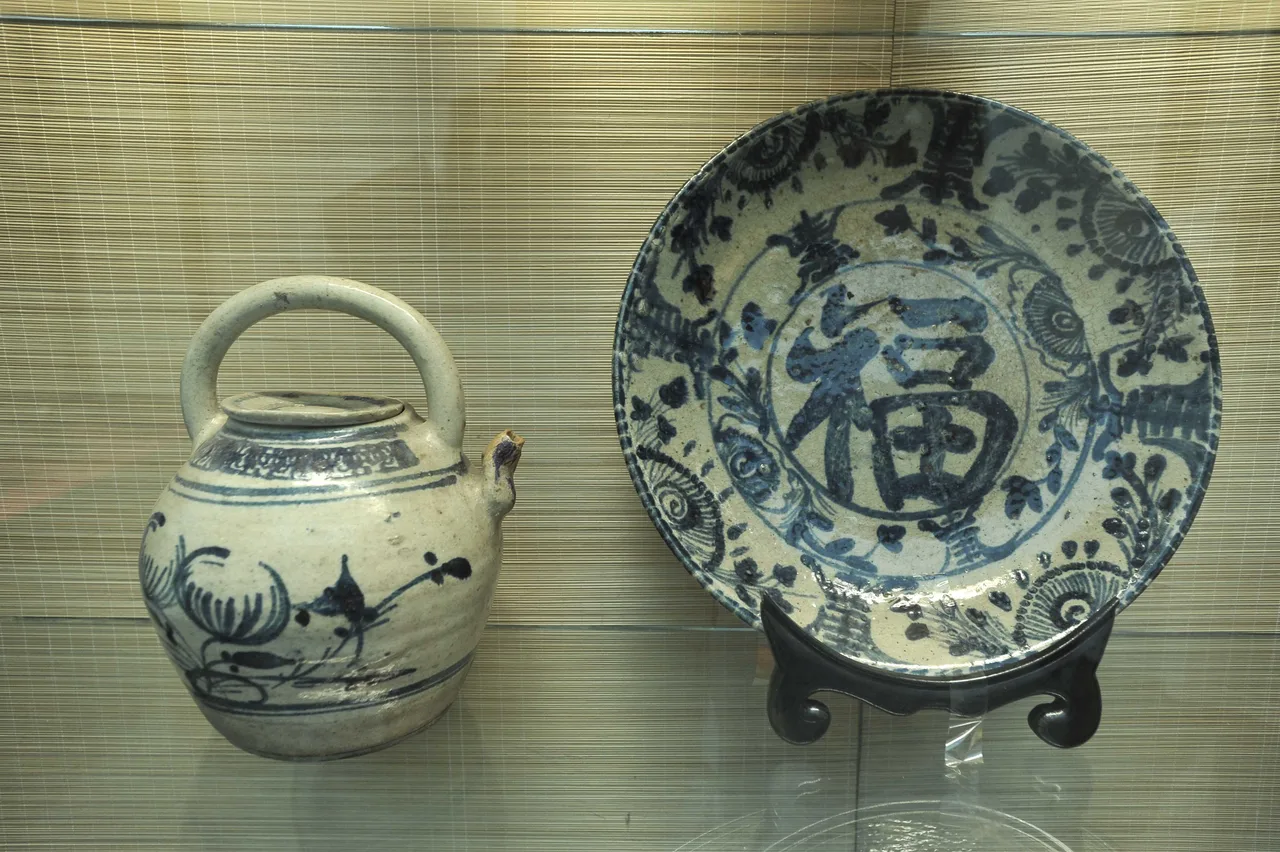
The Teochew lineage, working in blue-and-white or polychrome glaze for kitchen and household ware. This is the source of the rooster bowl, once found in every kitchen in southern Vietnam.
BICERA brings together the ceramics companies and master craftspeople of Ho Chi Minh City — representing members before government and international partners, and keeping the craft in working hands.
The charter assigns BICERA six areas of work. They all serve one purpose: so that no ceramics business has to stand on its own.
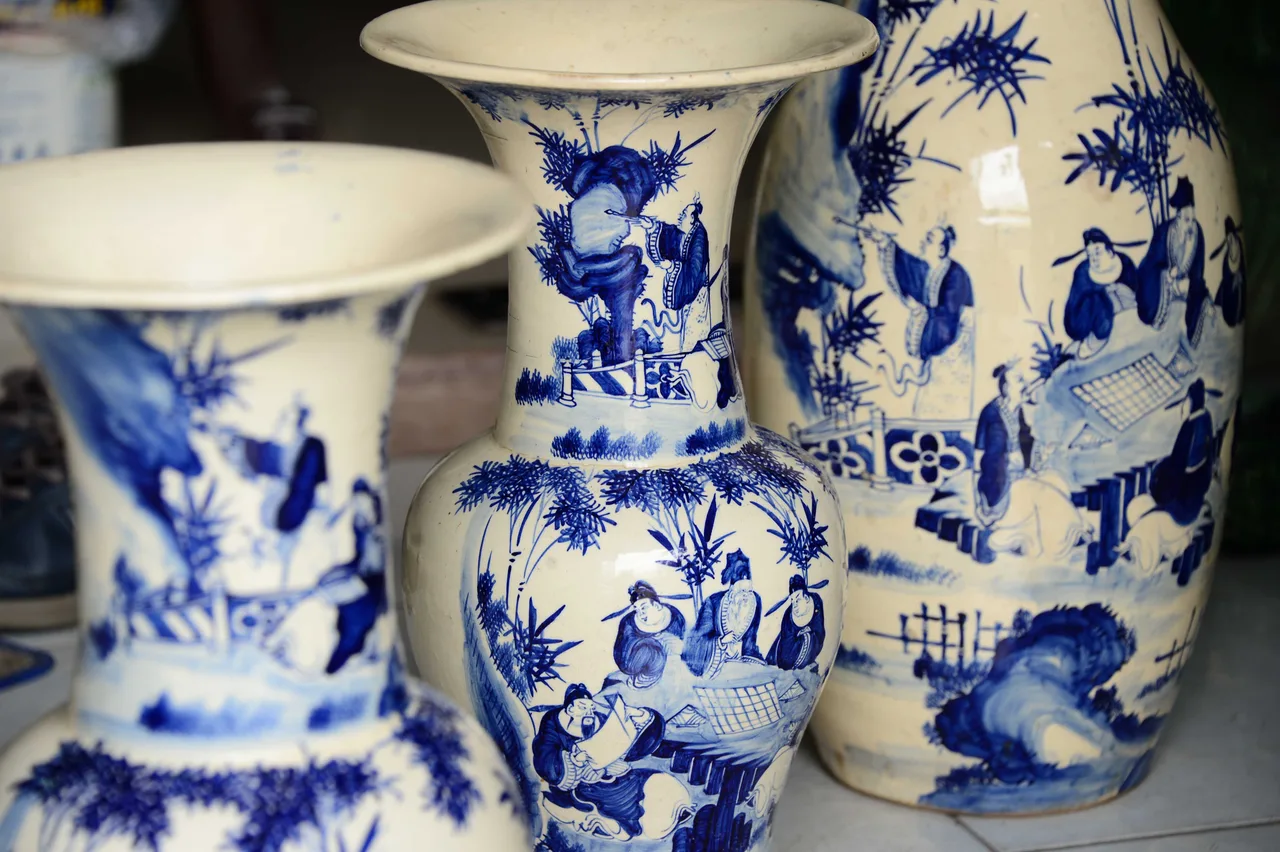
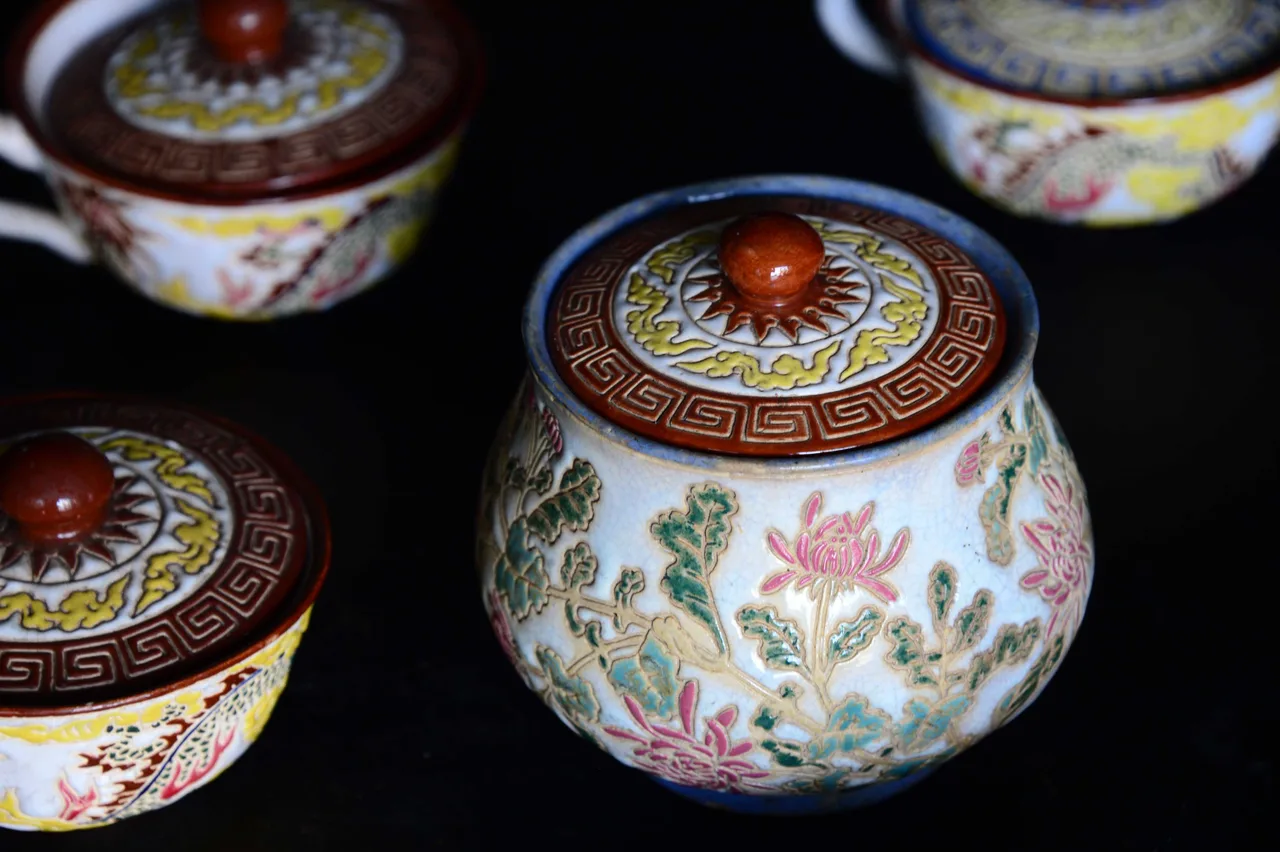
Ceramics here were never a single tradition. Three distinct lineages of potters settled at Lái Thiêu, each bringing its own glazes, forms and range of wares. That inheritance is what the association exists to keep.
The Teochew lineage, working in blue-and-white or polychrome glaze for kitchen and household ware. This is the source of the rooster bowl, once found in every kitchen in southern Vietnam.
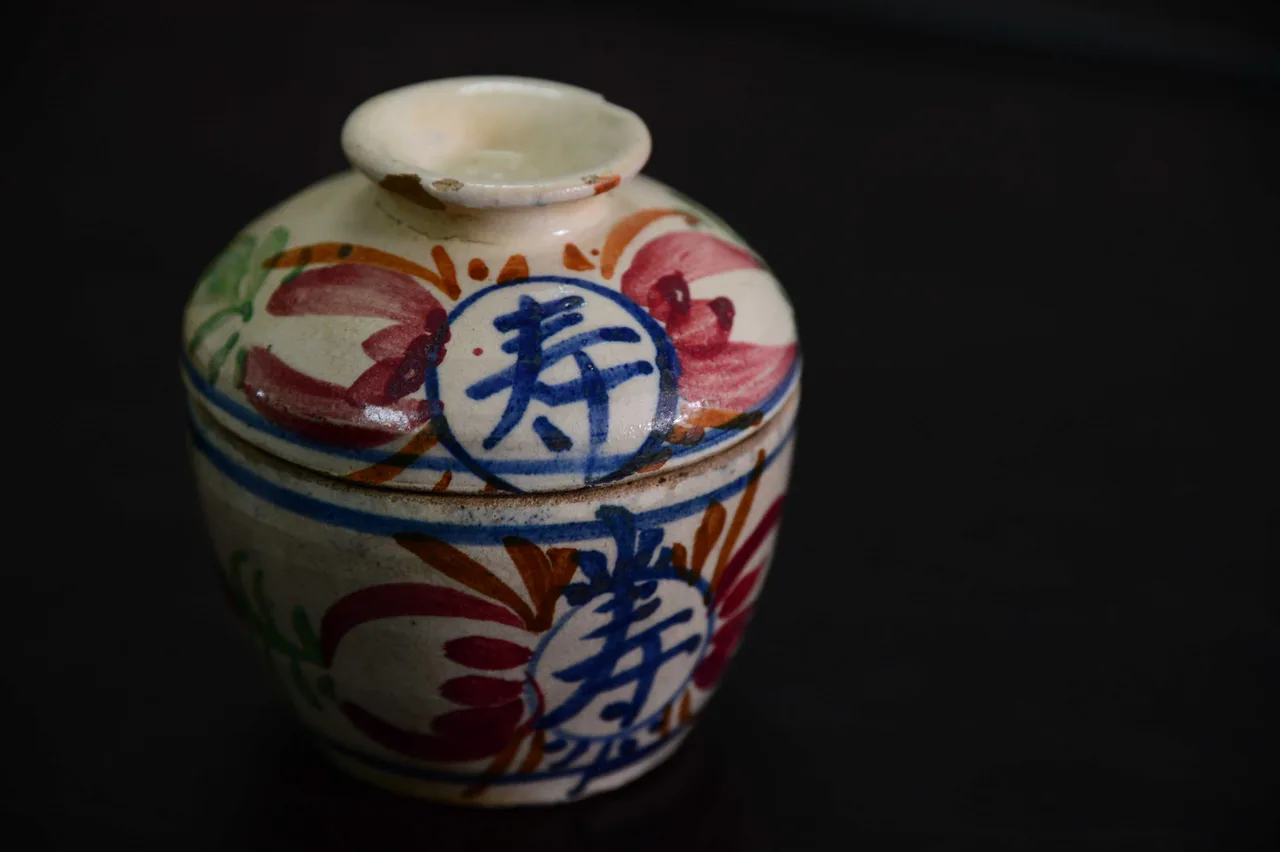
The Hokkien lineage, recognisable at once by its dark brown and deep amber glazes — heavy, thick-bodied and suited to storage vessels and hard-wearing daily ware.
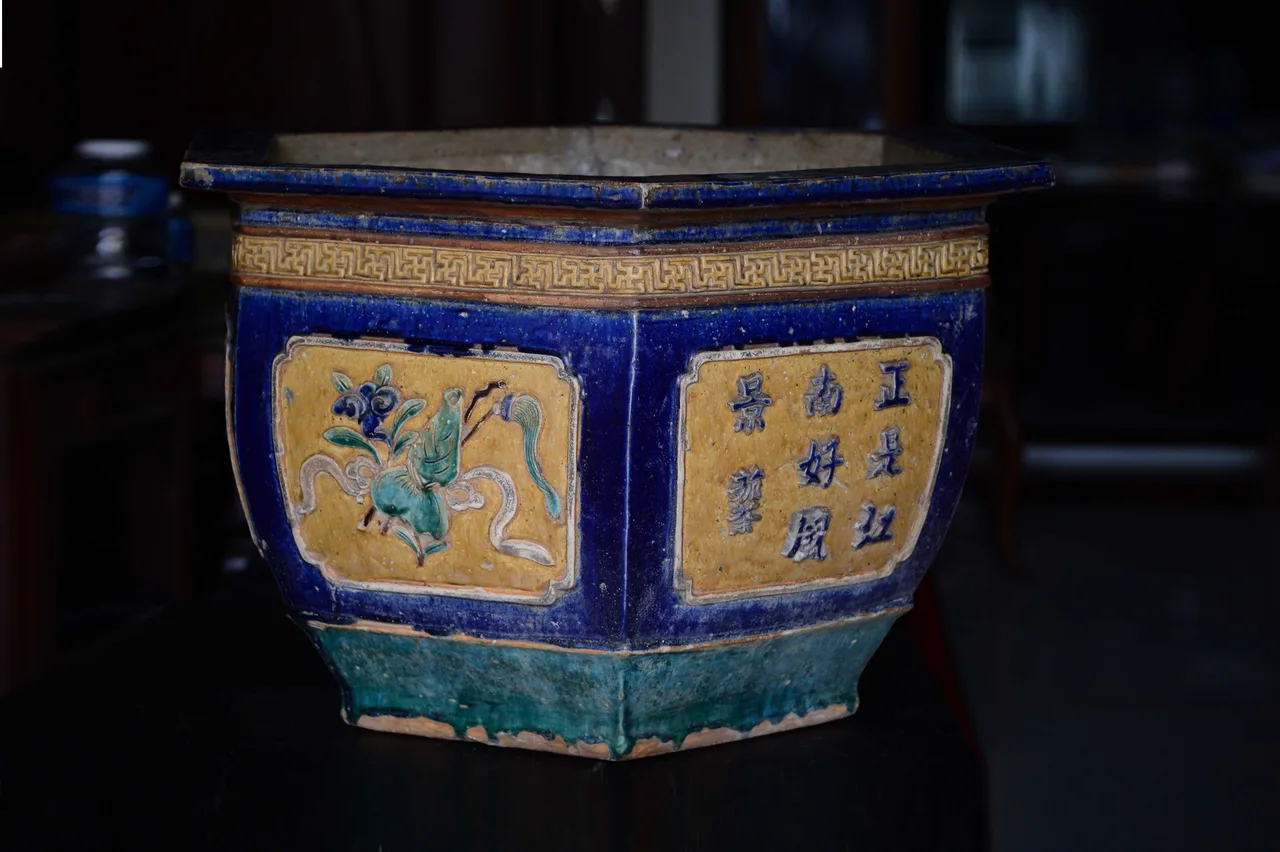
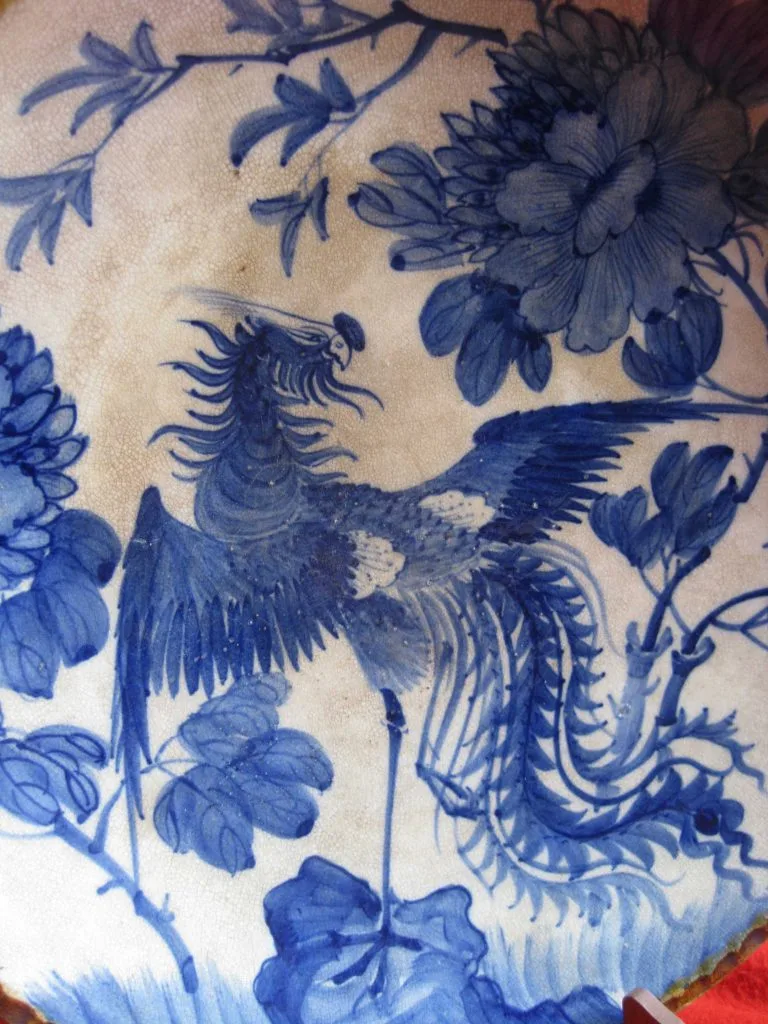
The Cantonese lineage, specialising in decoration for temples and communal houses and in garden pieces. This is the lineage of the large forms: elephants, stools, planters and statuary.
Three lineages of potters left three quite different bodies of work. These are their profiles, drawn the way a potter sketches a shape before throwing it.
A shallow bowl with a flared rim, painted with a cobalt rooster on white. Lái Thiêu's best-selling household ware through the first half of the twentieth century, and an image southern Vietnamese recognise on sight.
Broad at the shoulder, drawn in at the mouth, tapering to the foot. A thick brown-black glaze that stands up to sun and rain. These held water, fish sauce and pickles — the pottery of daily life.
Large forms, thick walls, relief decoration. The Cantonese lineage made pieces for temples and gardens: stools, elephants, planters and statuary. It is also the main export line today.
Ho Chi Minh City is pursuing the admission of the Binh Duong ceramics craft villages to the Network of World Creative Craft Cities, covering six wards: Lái Thiêu, Thuận An, Chánh Hiệp, Tân Khánh, Thủ Dầu Một and Thuận Giao. Larger member companies of the association are partners in the scheme alongside art schools and vocational training institutions. The Binh Duong pottery craft has been recognised as national intangible cultural heritage since 23 November 2021.
The charter is open both to companies in the trade and to those with a serious interest in it.
Vietnamese citizens and organisations established under Vietnamese law, operating in Ho Chi Minh City in fields related to ceramics. Full voting, nomination and election rights.
Citizens and organisations with an interest in ceramics who do not yet meet the standard for full membership. All rights except voting and election.
Individuals, organisations and specialists with standing in the association's field who have contributed materially to its work, invited to join by the association.
What the press is reporting about ceramics in this region.